
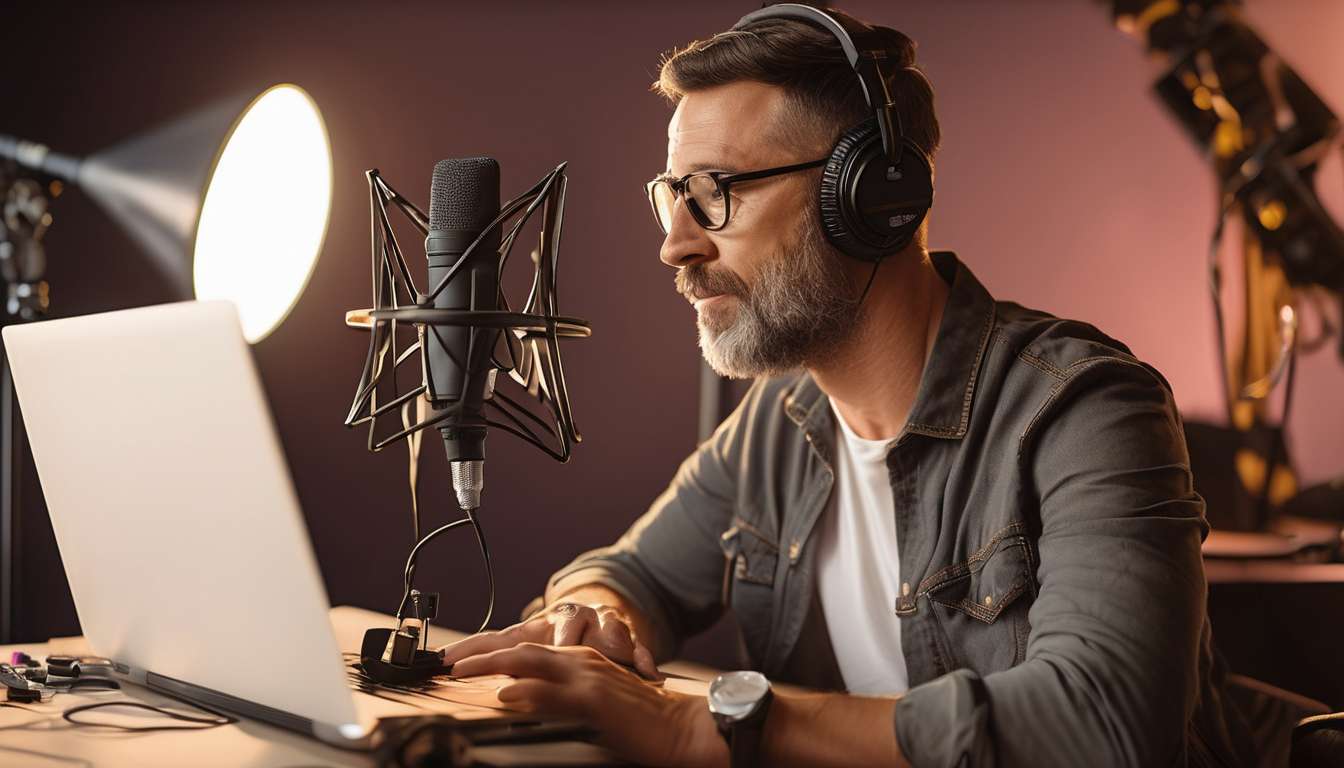
Diverging from the legacy studio model, creators — not corporations — now steer the adult entertainment industry.
Old economy vs. new landscape:
- The old economy relied on centralized production, opaque contracts, and gatekeepers deciding what reaches audiences.
- The new landscape is defined by platform tools, direct-to-fan monetization, and transparent revenue sharing.
Shifts in who produces and distributes content:
- Performers who once depended on casting calls are now building subscription bases.
- Producers are reinventing distribution channels.
- Niche genres flourish without executive approval.
Changes in ownership and power dynamics:
Rights, branding, and long-term earnings increasingly reside with creators rather than with studios or third parties.
New challenges and opportunities:
- Challenges include content moderation, platform dependency, and legal gray areas.
- Opportunities include greater autonomy, entrepreneurship, and the potential for ethical labor practices.
Purpose of analysis:
As authors and industry observers, we aim to unpack how this transition reshapes business models, audience relationships, and the economic agency of creators who are redefining what success looks like in adult movies.
Creator-Led Production Models
We’re exploring creator-led production models. This means performers and directors take direct control of financing, distribution, and creative decisions to retain ownership and revenue.
Our goal is to build systems that enable creator-owned content outside traditional studios. These systems ensure our work reflects who we are and the audiences we serve.
We share responsibilities across production.
- Budgeting
- Marketing
- Legal
This shared stake creates a strong sense of belonging and mutual support.
We protect intellectual property rights from the outset. By doing so, our images, formats, and brand identities remain under our control and can be licensed on our terms.
We set clear agreements about revenue and future use. Clear revenue splits and terms for future usage keep relationships resilient and business transparent.
This model emphasizes collective strength, not solo ventures. It’s about forming trusted collectives that amplify each member’s voice while keeping earnings and ownership within the group.
Our approach is intentional, practical, and inclusive. We’re reshaping how content gets made and who benefits from it.
Direct-to-Fan Monetization
We’ll sell access, experiences, and products directly to our audiences so we keep revenue, control pricing, and build lasting relationships without relying on middlemen.
We’re building spaces where fans feel seen and part of the journey:
- Subscription tiers
- Pay-per-view premieres
- Exclusive behind-the-scenes streams
- Limited-run merch drops
- Personalized experiences
With creator-owned content at the core, we decide what to package, when to release it, and how to reward loyal supporters.
Direct-to-fan monetization lets us translate passion into predictable income while strengthening community ties; fans pay for belonging, not just content.
We embrace clear digital delivery and simple commerce tools so transactions are seamless and respectful.
By prioritizing transparency around intellectual property rights, we reassure supporters that their purchases support creators directly and protect the work we co-create with our audience.
This model reduces dependency on opaque platforms, increases bargaining power, and fosters sustainable careers — rooted in mutual trust, shared values, and ongoing engagement between creators and the communities that sustain them.
Ownership of Content Rights
We’ll clearly define who holds the rights to each piece of work, how those rights can be transferred or licensed, and what that means for revenue, control, and future use.
We examine creator-owned content as the baseline. When we own the footage, images, and edits, we control licensing, distribution, and derivative works. That ownership lets us decide whether to grant exclusive deals, sell catalogs, or pursue direct-to-fan monetization without intermediaries taking oversized cuts.
We also consider co-created material and collaborations. Contracts should specify:
- Percent ownership.
- Usage windows.
- Revenue splits.
- Permissions for derivative works and sublicensing.
Intellectual property rights aren’t abstract — they’re practical tools that protect earnings and creative intent. We should register, document, and enforce them consistently to preserve value and deter misuse.
For platforms and distribution partners, terms must state whether content is licensed or assigned. Clear language prevents future disputes and preserves negotiation leverage.
For creators, retention of core rights creates bargaining power. Keeping control over key rights enables better deals, long-term revenue, and options for future exploitation.
By treating rights as shared resources we manage transparently, we build sustainable income paths and stronger trust across our network. Transparency in ownership, licensing, and revenue allocation helps the community feel secure and aligned.
Branding and Personal IP
Branding and personal IP let us control how our names, likenesses, and signature styles are used, licensed, and monetized.
We build a shared identity that connects creators and fans, and that identity becomes a tangible asset when we assert our intellectual property rights.
- By owning trademarks, images, and distinctive performance elements, we keep decisions about collaborations and merchandising in our hands.
We’re intentional about creator-owned content so revenue follows relationships, not gatekeepers.
- That mindset fuels direct-to-fan monetization:
- Subscriptions.
- Paid messages.
- Exclusive drops.
- Bespoke experiences that reward community loyalty.
- When we protect our brand elements legally and creatively, we also set standards for how partners may reuse or amplify our work.
Owning personal IP strengthens bargaining power and creates clarity around licensing deals.
- It helps us safeguard trust with fans who value authenticity.
- It creates durable income streams that reflect our collective labor.
Together, we turn identity into sustainable value while preserving the closeness that made our audience care in the first place.
Platform Power Dynamics
We’ll examine how dominant platforms shape distribution, data access, revenue splits, and negotiation leverage for creators.
Platform rules and algorithms act as gatekeepers. They influence our ability to build sustainable, creator-owned content businesses by deciding what content is visible, which audiences we can reach, and which tools we can use to monetize directly.
Large platforms offer reach but impose limits.
- They often restrict direct-to-fan monetization tools.
- They control which analytics and insights creators can access.
- They set revenue splits that tend to favor platform scale.
This imbalance weakens creators’ bargaining positions. Without transparent data and clear protections for intellectual property rights, creators negotiate from a position of weakness.
We want platforms that treat creators as partners, not tenants. That means advocating for:
- Fairer contracts and revenue-sharing terms.
- Shared, transparent analytics.
- Payment systems that let fans support creators directly.
- Clear IP protections that keep creator-owned content under creators’ control.
Collective action strengthens leverage. By pooling experiences, advocating for common standards, and choosing platforms that respect creator-owned content and IP, we increase bargaining power.
When platforms enable true direct-to-fan monetization and honor IP rights, creators and communities benefit. Greater autonomy, improved financial stability, and stronger community trust follow when platforms respect creators as partners.
Niche Market Fragmentation
Challenge: fragmented, niche audiences dilute reach and raise costs.
Many small, specialized audiences force us to split efforts across multiple platforms and services, which dilutes reach and increases costs. Niche market fragmentation requires creators to tailor content for many micro-communities, stretching resources and risking burnout.
Approach: coordinated branding and community management.
- We coordinate branding, cross-posting, and community management to maintain cohesion without burning out.
- We focus on networks where our work is valued so creators can belong and engage meaningfully.
Monetization and creator control.
- We prioritize direct-to-fan monetization models that sustain varied niches while keeping relationships personal and consistent.
- We negotiate clear intellectual property rights up front, so each creator retains control and can license selectively without losing connection to their audience.
Collective strategies to strengthen small communities.
- By pooling knowledge and sharing tools, we reduce duplication of effort.
- By aligning promotion, we amplify visibility across micro-communities rather than isolating them.
Measurement and platform strategy for sustainable growth.
- We choose platforms strategically instead of trying to be everywhere.
- We measure engagement and focus on sustainable growth so diverse fans feel seen and supported while creators retain creative and economic agency.
Legal and Ethical Risks
Many legal and ethical pitfalls can arise when balancing performer autonomy, audience safety, and platform compliance.
We need clear contracts for creator-owned content so performers retain control without unintended liabilities.
Key contract elements:
- Explicit ownership and licensing terms.
- Scope of allowed uses and duration.
- Liability allocation and indemnities.
- Termination and take-down procedures.
We must ensure consent is documented, age verification is rigorous, and privacy is protected for everyone in our community.
Consent, age verification, and privacy measures:
- Documented, revocable consent processes for performers and collaborators.
- Multi-factor age verification and periodic re-checks.
- Data-minimization and encryption of sensitive records.
- Clear privacy notices and user-accessible data controls.
When we adopt direct-to-fan monetization, tax rules, payment processing restrictions, and platform terms can create unexpected exposure.
Monetization safeguards:
- Draft terms that allocate responsibilities for taxes and fees between creators and platform.
- Ensure payment processors’ policies are compatible with content types and geographies.
- Provide creators guidance and tools for tax reporting and compliance.
We’ll respect intellectual property rights by registering works, licensing collaborative content explicitly, and preventing unauthorized redistribution.
IP protection practices:
- Register key works where cost-effective.
- Use written licenses for collaborations with clear rights splits.
- Implement DRM, watermarking, and takedown workflows to deter and respond to unauthorized redistribution.
We’re committed to transparent moderation policies and accessible reporting channels so fans and creators feel safe and heard.
Moderation and dispute resolution:
- Publish clear standards and escalation paths for content and conduct issues.
- Provide easy, confidential reporting tools and timely responses.
- Offer impartial dispute resolution and appeals processes.
By building shared standards — clear contracts, robust verification, rights management, and responsive dispute processes — we’ll reduce legal risk and foster an inclusive, accountable ecosystem that supports sustainable creative ownership.
Long-Term Revenue Strategies
Build sustainable income by diversifying revenue streams and planning for change.
We’ll diversify across subscriptions, licensing, merchandising, and recurring fan experiences while planning for changing regulations and platform dynamics.
We’ll center creator-owned content as the foundation so we can bundle offerings, set tiered subscriptions, and tailor direct-to-fan monetization that rewards loyalty.
Protect and pursue licensing carefully.
We’ll pursue licensing deals while protecting intellectual property rights so our work can be repurposed without undermining the community we’ve built.
Create predictable revenue via memberships and exclusive releases.
We’ll create predictable revenue through memberships, serialized releases, and exclusive merchandise drops that reinforce identity and belonging.
We’ll use data to refine pricing and cadence, and split revenue transparently with collaborators so everyone feels invested.
Reduce platform dependence by building owned channels.
We’ll diversify platforms to reduce dependence on any single gatekeeper, and build owned channels—mailing lists, private apps, and decentralized storefronts—to maintain access when policies shift.
Plan for longevity with legal and financial protections.
We’ll register IP, document agreements, and allocate funds for legal and marketing resilience so the business can endure.
Combined outcome
By combining thoughtful monetization with rights protection and platform diversification, we’ll sustain a community-centered business that endures.
How do tax considerations change for creators who transition from working for studios to owning their own adult content businesses?
When creators move from studio paychecks to running their own adult content businesses, tax rules change in several important ways.
Self-employment taxes apply.
Creators who are independent contractors owe both the employee and employer portions of Social Security and Medicare (self-employment tax), in addition to income tax.
Deductible business expenses must be tracked.
- Legitimate ordinary and necessary expenses (equipment, production costs, home office portion, subscriptions, marketing, travel related to content creation) can reduce taxable income.
- Keep receipts, invoices, and clear records to substantiate deductions.
Pass-through deductions and entity selection may help.
- Forming an LLC or S corporation can provide liability protection and potential tax benefits.
- The Qualified Business Income (QBI) pass-through deduction may apply to eligible sole proprietors, LLCs, and S corporations, subject to income and other limitations.
- S corp election can reduce self-employment taxes by allowing owner payroll plus distributions, but requires reasonable compensation and more administrative work.
Estimated quarterly taxes are required.
- Without employer withholding, creators must remit quarterly estimated federal (and state, where applicable) tax payments to avoid penalties.
Recordkeeping and compliance matter.
- Maintain separate business accounts, detailed books, and contemporaneous records of income and expenses.
- Consider accounting software or a bookkeeper.
Sales tax and payroll obligations may arise if you expand.
- If selling taxable goods or services, collect and remit sales tax according to state rules (which can vary widely and may depend on where customers are located).
- If you hire employees or pay contractors, you’ll have payroll tax withholding, reporting, and possibly unemployment tax responsibilities.
Consulting a tax professional is strongly recommended.
- A CPA or tax attorney familiar with content-creator businesses and adult-industry considerations can advise on entity choice, deduction substantiation, state tax obligations, and compliance strategies.
What are practical steps creators can take to protect their privacy and safety when their personal brand becomes tied to owned content?
When your personal brand ties to owned content, prioritize safety and privacy proactively.
Separate business and personal identities.
- Use legal entities (LLCs, corporations) to limit personal liability.
- Create distinct social and email accounts for business activity.
Use legal and physical privacy measures.
- Employ contracts and written agreements to define rights, usage, and consent.
- Use P.O. boxes and dedicated business phone numbers to keep personal contact information private.
Enable robust digital security.
- Implement two-factor authentication (2FA) on all accounts.
- Use end-to-end encrypted storage and secure backups.
- Keep software and devices updated and use reputable password managers.
Establish clear boundaries with your audience.
- Define what types of interaction are acceptable and what personal details will never be shared.
- Document consent for any content that involves others or uses personal information.
Choose privacy-focused services for payments and hosting.
- Use processors and hosting providers with strong privacy policies and data protection practices.
- Minimize third-party integrations that request unnecessary user data.
Build a supportive, safety-minded community.
- Encourage respectful behavior and have moderation policies in place.
- Provide reporting channels and resources for community members who feel unsafe.
Access professional security and legal advice.
- Consult privacy-focused attorneys for contracts and policy drafting.
- Hire security professionals for threat assessments and incident response planning.
How do payment processors, banking services, and merchant accounts typically handle adult creator-owned businesses, and what alternatives exist if mainstream services refuse them?
How payment processors and banks treat creator-owned adult businesses
Many mainstream processors and banks treat adult content as high-risk. They often flag accounts associated with adult businesses, which can lead to higher fees, stricter underwriting, unexpected holds on funds, or outright account closures.
Options if mainstream services refuse you
- Use specialized adult-friendly payment processors that explicitly support adult content merchants.
- Accept cryptocurrency (BTC, ETH, stablecoins) to bypass traditional banking rails and reduce chargeback exposure.
- Employ privacy-focused or alternative payment gateways that prioritize adult niches.
- Set up offshore merchant accounts with banks or processors in jurisdictions with more permissive policies.
Measures to improve acceptance and reduce closure risk
- Legal structuring. Form an appropriate legal entity (LLC, corp) and separate business and personal finances to present a professional, compliant profile.
- Clear age verification. Implement and document robust age- and consent-verification processes to demonstrate responsible operations.
- Robust compliance. Maintain transparent terms of service, clear content policies, records of verification, and anti-fraud/chargeback procedures.
- Transparent underwriting materials. Provide processors with full, honest disclosure about your content, traffic sources, and customer experience to avoid surprises that trigger closures.
- Diversify payment options. Don’t rely on a single provider—use multiple gateways/channels (including crypto and specialized processors) to reduce single-point-of-failure risk.
- Use risk mitigation tools. Employ fraud detection, chargeback management services, and reserve funds or rolling reserves where required.
Key takeaways
- Mainstream processors view adult content as high-risk, so expect friction and possibly higher costs.
- Specialized processors, crypto, and offshore options can provide alternatives when mainstream services refuse you.
- Strong legal structure, age verification, and documented compliance significantly improve chances of acceptance and reduce the likelihood of abrupt account closures.
Conclusion
Creator ownership is changing adult entertainment: you control production, monetize directly, and keep rights to your work.
This enables personal-brand building and niche targeting without traditional gatekeepers.
- You can craft a unique image and direct it at specific audiences.
- Platforms still influence visibility and monetization, so strategy must account for platform algorithms and policies.
You must manage legal risks and ethical responsibilities as you diversify income.
- Revenue streams to consider:
- Subscriptions.
- Licensing.
- Merchandise and ancillary products.
- Legal and ethical tasks include consent documentation, age verification, taxes, and compliance with local and platform laws.
Long-term success comes from treating content as intellectual property and staying adaptable.
- Prioritize clear IP ownership, contracts, and enforcement.
- Center consent and ethical practices in production.
- Monitor and adapt to platform changes to protect revenue and reach.